Disclaimer: This blog post contains affiliate links. If you make a purchase through these links, we may earn a small commission at no additional cost to you. Learn More. Thank you for supporting our garden community.
Innovative Uses for Sawdust in the Garden to Transform Your Plants
Have you ever looked at a pile of sawdust and wondered if it could serve a purpose beyond the workshop? You’re not alone. Many gardeners seek sustainable, cost-effective materials to enhance their garden, and sawdust might just be the hidden gem you’re looking for. In this post, we’ll dive into the surprising uses for sawdust in the garden, turning waste into wonder.
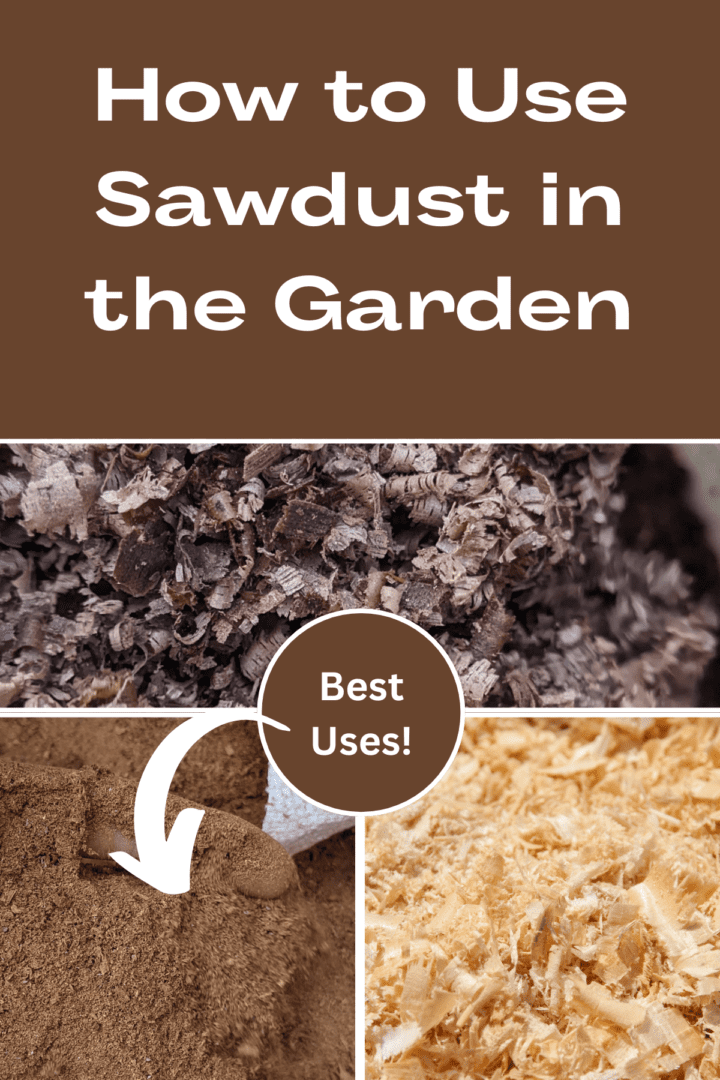
Innovative Uses for Sawdust in the Garden
Here’s what you will get from reading this post:
- Benefits and Uses of Sawdust in Gardens: You will learn about the different ways sawdust can be beneficial in a garden, from improving soil structure and helping with moisture retention to suppressing weeds and adding to the compost pile.
- Composting Techniques with Sawdust: This post will educate you on how to correctly incorporate sawdust into compost, including the ideal carbon to nitrogen ratio and the necessary steps to ensure efficient decomposition.
- Guidelines for Mulching with Sawdust: We will discover how to properly use sawdust as mulch to prevent potential drawbacks, such as nitrogen depletion, and you’ll receive advice on application techniques to promote plant health.
- Safety and Selection: You will learn important precautions to take when selecting sawdust for garden use, ensuring you choose non-toxic, untreated wood sources to avoid contaminating your garden with harmful chemicals.
Unlocking the Potential of Sawdust in the Garden
Using sawdust in the garden can seem unconventional at first glance. Yet, this by-product of woodworking can enrich your gardening practices. We’ll explore the benefits and how to get started.
Why Use Sawdust?
Creating a Nutrient-Rich Compost with Sawdust
Sawdust can be a carbon-rich addition to your compost pile, balancing out high-nitrogen materials like kitchen scraps and grass clippings.
Steps to Incorporate Sawdust into Compost:
- Mix one part sawdust to two parts green waste. This ensures the correct ratio of browns to greens, which is optimal for decomposition.
- Ensure the pile is well-aerated. Sawdust can become compacted very easily due to the small and uniform grain size.
- Turn the pile regularly to speed up decomposition. Sometimes, the outer edges of the compost pile do not decompose as quickly. Moving the edges to the centre can speed up the process.
For a full overview, check out our composting guide.
Sawdust as a Mulching Marvel
Mulching with sawdust can conserve moisture, regulate soil temperature, and prevent weeds. However, it’s crucial to use sawdust mulch correctly to avoid nitrogen deficiency in plants.
When mixed directly into the soil, sawdust will “rob” the soil of nitrogen. This is because of the high carbon content of the sawdust, which requires microbes to take nitrogen to break it down.
Best Practices for Mulching with Sawdust:
- Apply a 2-3 inch layer around plants, leaving room around the stem.
- Supplement with a nitrogen-rich organic fertilizer if you notice common signs of deficiency.
Improving Soil Structure and Fertility
Sawdust can improve soil structure, making it more friable and suited for root growth, especially in clay-heavy soils. Sawdust can have a very small grain size, almost acting as sand. Except, sawdust is organic, while sand is inorganic, leading to its decomposition.
How to Use Sawdust for Soil Amendment:
- Test soil pH before adding sawdust as it can lower soil pH. Sawdust is slightly acidic.
- Work sawdust into the top layer of soil along with a balanced fertilizer. This may sound contradictory to what has been said previously, but for clay-heavy soils it can help.
Safety and Precautions: Choosing the Right Sawdust
Not all sawdust is safe for garden use. Avoid using sawdust from treated woods as they can contain harmful chemicals.
If you are using sawdust from treated wood, opt for heat-treated over pressure-treated. Heat-treated sawdust is from wood that has been dried in a kiln to reduce the moisture content. Pressure-treated sawdust comes from wood that has added chemical preservatives to preserve the moisture content.
Learn more: Heat-Treated vs. Pressure-Treated Lumber
Types of Safe Sawdust for Garden Use:
- Hardwood and softwood sawdust from untreated or heat-treated wood.
- Ensure the wood was not treated with pesticides or harmful chemicals. These chemicals will leach into your soil to eventually be absorbed by your plants.
Discussion Questions
- Have you ever used sawdust in your garden before? What was your experience like?
- Which of these sawdust uses are you most excited to try in your garden?
Frequently Asked Questions
Is sawdust good for all types of gardens?
Yes, sawdust can be beneficial for various types of gardens, including vegetable gardens, flower beds, and landscaped areas, by improving soil health and moisture retention. However, it should be used appropriately, considering the specific needs of the plants.
Can sawdust change the soil pH?
Sawdust, especially from coniferous trees, can slightly acidify the soil over time. This could be beneficial for acid-loving plants but might require neutralization with lime for other plants.
Can sawdust be used in potting mixes?
Yes, sawdust can be used in potting mixes to improve drainage and aeration. However, it should be well-composted and used sparingly to avoid nitrogen depletion in the mixture.
How often should I add sawdust to my garden?
Reapply sawdust mulch annually, as it will break down over time and contribute organic matter to the soil. Regular additions will maintain its benefits for soil moisture and weed suppression.
Is sawdust good for composting toilets?
Yes, sawdust is excellent for composting toilets as it absorbs moisture, neutralizes odors, and contributes carbon to the composting process, promoting the breakdown of wastes into usable compost.
Even More Gardening Ideas
Here are a few more posts to get the ball rolling in your garden!
- 5 Best Edible Flowers for Your Garden
- The 10 Most Fragrant Flowers for Your Garden
- Nasturtium: The Garden Must-Have
Products
For all-purpose organic fertilizers, check out Arber.
To buy organic, non-GMO garden seeds, check out SeedsNow.
For a wide selection of perennial garden plants, check out Nature Hills Nursery.
For gardening equipment, check out Bootstrap Farmer
Conclusion
Sawdust is far more than just a byproduct of woodworking; it’s a versatile, sustainable resource that can enrich your garden in numerous ways. From enhancing soil fertility and moisture retention to suppressing weeds naturally, sawdust offers a multitude of benefits that can contribute to a healthier, more vibrant garden.
By understanding the proper ways to use sawdust, gardeners can turn this often overlooked material into a valuable ally in their quest for a sustainable and flourishing garden. So, the next time you find yourself with a pile of sawdust, remember its potential and consider giving your garden the boost it deserves.
Has this post inspired you to look at sawdust in a new light? Perhaps you have your own experiences or questions about using sawdust in the garden. Share your thoughts and stories in the comments below, and don’t forget to pass this knowledge on by sharing this post on social media. For more gardening tips and tricks, sign up for our newsletter today!
If you want to learn more about gardening, foraging, nature, and sustainability, check out The Real Gardener on Instagram, YouTube, and Pinterest.
Pin this post for later:

Leave a Reply