Disclaimer: This blog post contains affiliate links. If you make a purchase through these links, I may earn a small commission at no additional cost to you. Learn More. Thank you for supporting our garden community.
The Real Gardener
or
THE REAL GARDENER
Is window light really enough for seedlings? Can you successfully grow strawberries from bare-root plants? And what’s the deal with fertilizers like blood meal, bone meal, or fish emulsion? Let’s cut through the noise and get straight to what actually works.
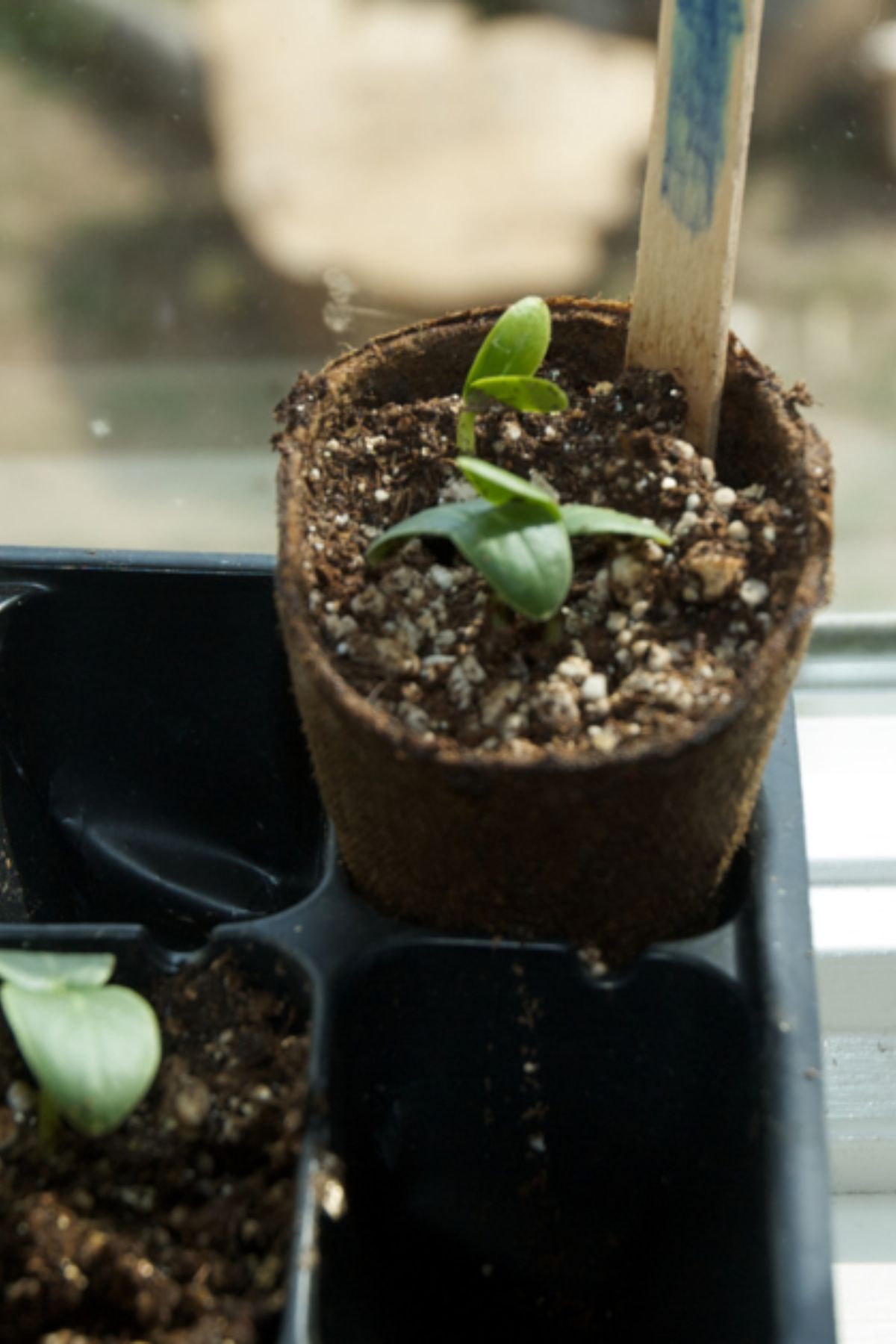
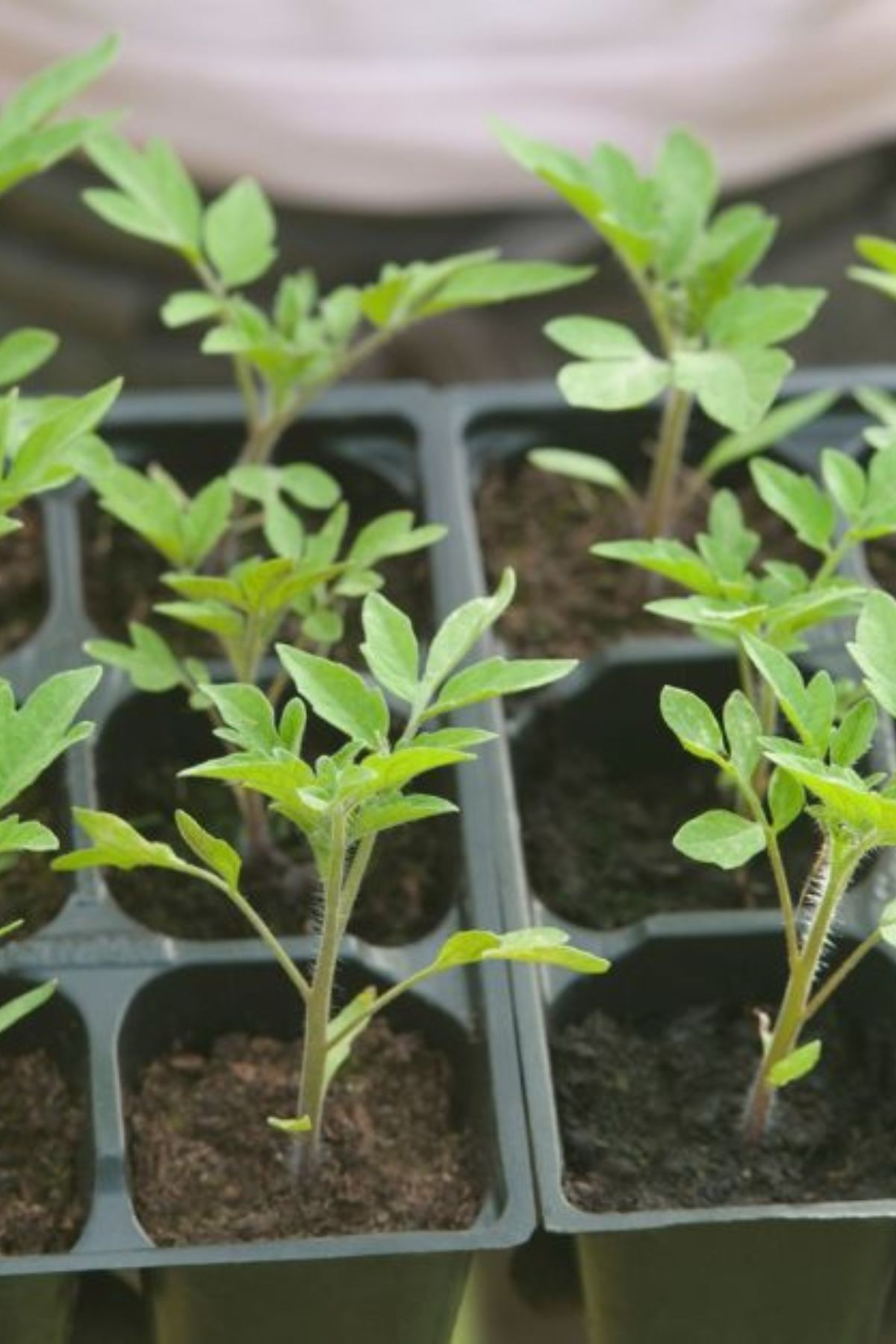
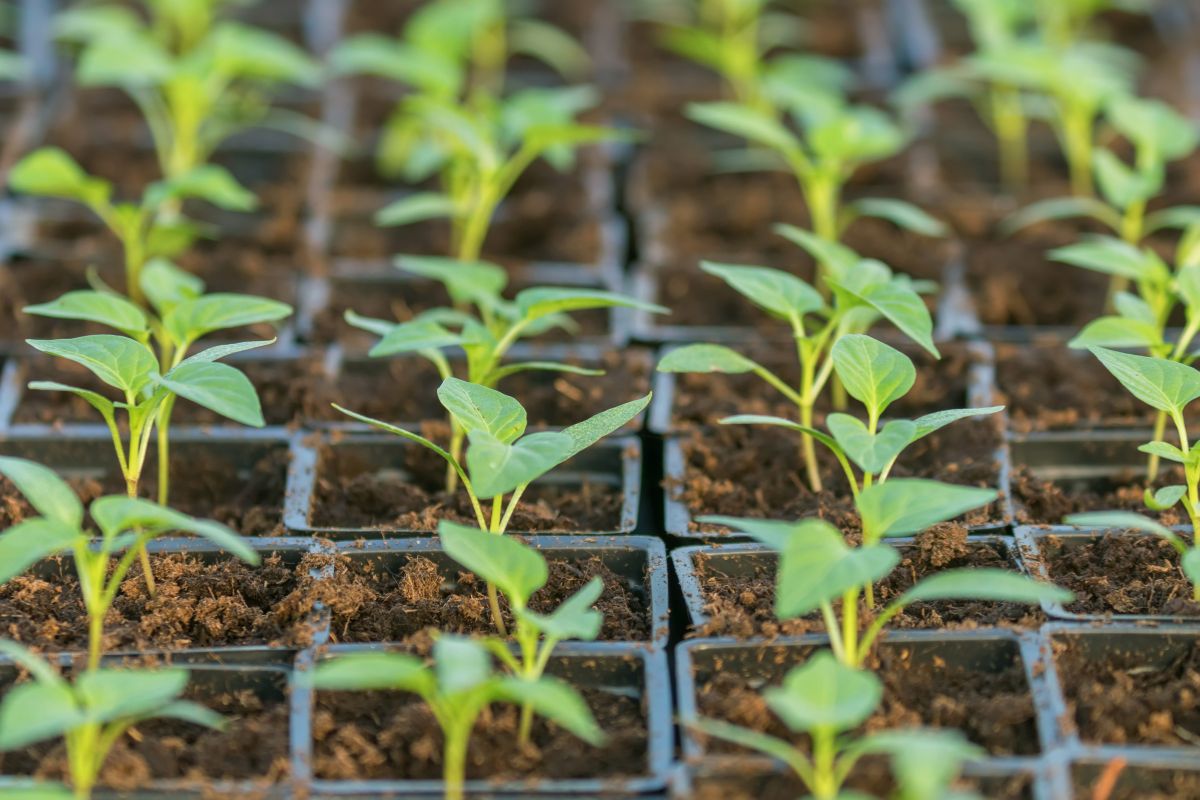
First, window light. Many beginner gardeners assume a sunny windowsill will do the job. The truth? In most cases, it’s not enough. Seedlings need strong, consistent light for 12–16 hours a day. Even a bright south-facing window often falls short, especially in early spring or northern climates. Without adequate light, seedlings become leggy, weak, and prone to disease. If you’re serious about healthy starts, a simple grow light setup will make a dramatic difference.
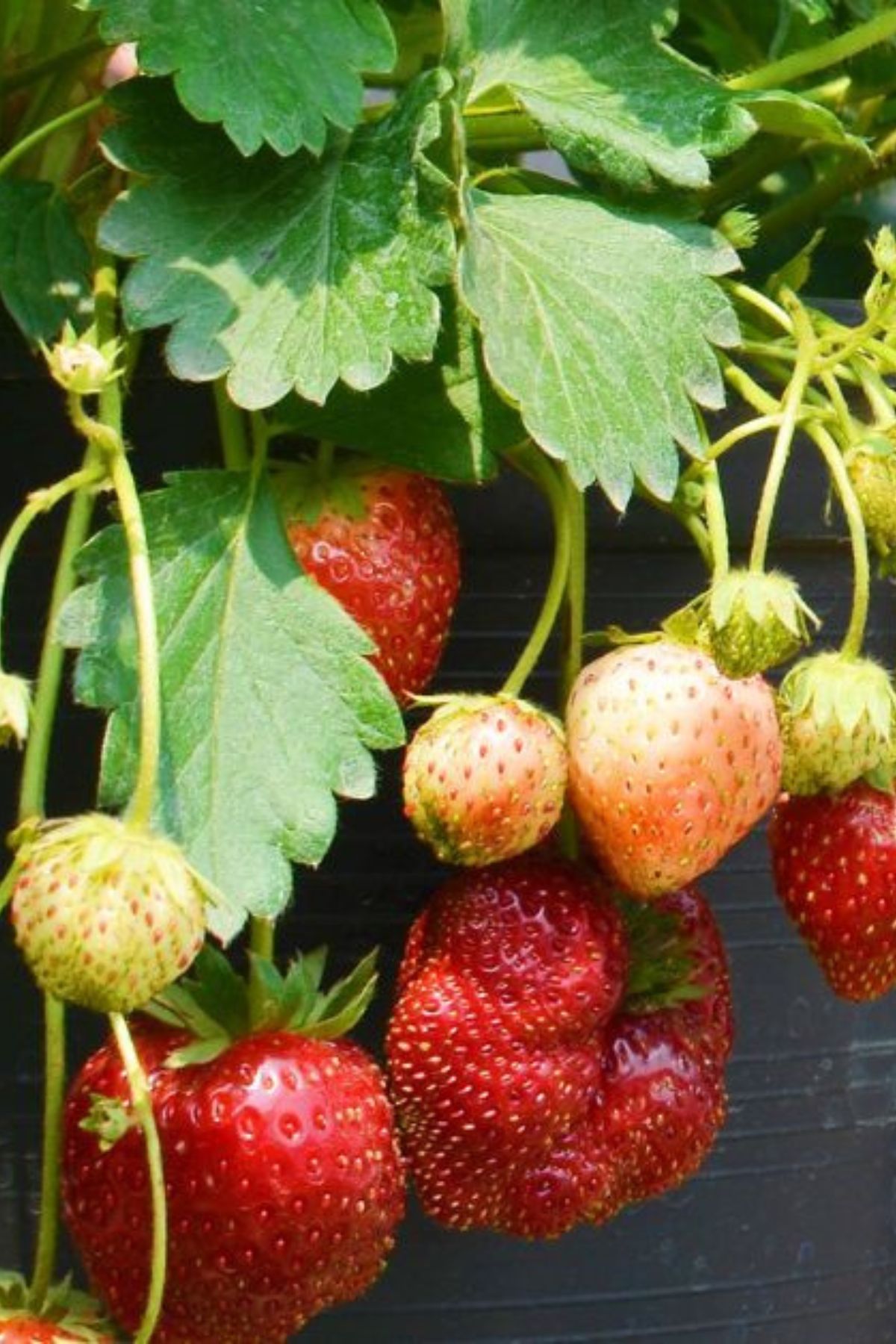
Now, strawberries from bare-root plants. This method is one of the easiest and most reliable ways to establish a productive berry patch. Bare-root strawberries arrive dormant, looking unimpressive—but don’t be fooled. Once planted in well-draining soil and given proper watering, they quickly wake up and start developing strong root systems. The key is to plant them at the correct depth: crown at soil level, roots spread out. Within weeks, you’ll see vigorous new growth.
Before moving any indoor-grown plants outside, you must harden them off. This step is often skipped—and it shows. Seedlings raised indoors are not ready for direct sun, wind, and temperature swings. Start by placing them outside in a shaded, protected area for a few hours a day, gradually increasing exposure over 7–10 days. This process reduces transplant shock and dramatically improves survival rates.
Let’s talk fertilizers. Organic options like blood meal, bone meal, and fish emulsion each serve a purpose. Blood meal is high in nitrogen, promoting leafy growth—great for greens. Bone meal provides phosphorus, essential for root development and flowering. Fish emulsion is a balanced, fast-acting liquid feed that supports overall plant health. The trick is not to overdo it. More fertilizer doesn’t mean better results—balance is everything.
If you want consistent success in the garden, focus on fundamentals: strong light, proper planting techniques, gradual acclimation, and smart feeding. Skip the hype, follow proven methods, and your plants will reward you with healthy growth and real harvests.
Popular Collections
Hey! I’m Jonathan.
I’m a no-nonsense gardener in Canada. I know that nobody reads the manual, because I don’t either.
Here you’ll find no-nonsense, straight-to-the-point tips about vegetable gardening. Learn more about my story here.

Follow Me
Sign Up for Email Updates!