Disclaimer: This blog post contains affiliate links. If you make a purchase through these links, we may earn a small commission at no additional cost to you. Learn More. Thank you for supporting our garden community.
How to Grow Raspberries that are Big and Juicy!
Last Update: September 7, 2024
Growing your own raspberries is a rewarding experience that brings the sweet taste of summer right to your backyard. Whether you’re a seasoned gardener or a beginner, raspberries are a hardy and versatile fruit that can thrive with the right care. In this guide, we’ll walk you through everything you need to know about how to grow raspberries—from choosing the best varieties and planting, to pruning, pest control, and harvesting.
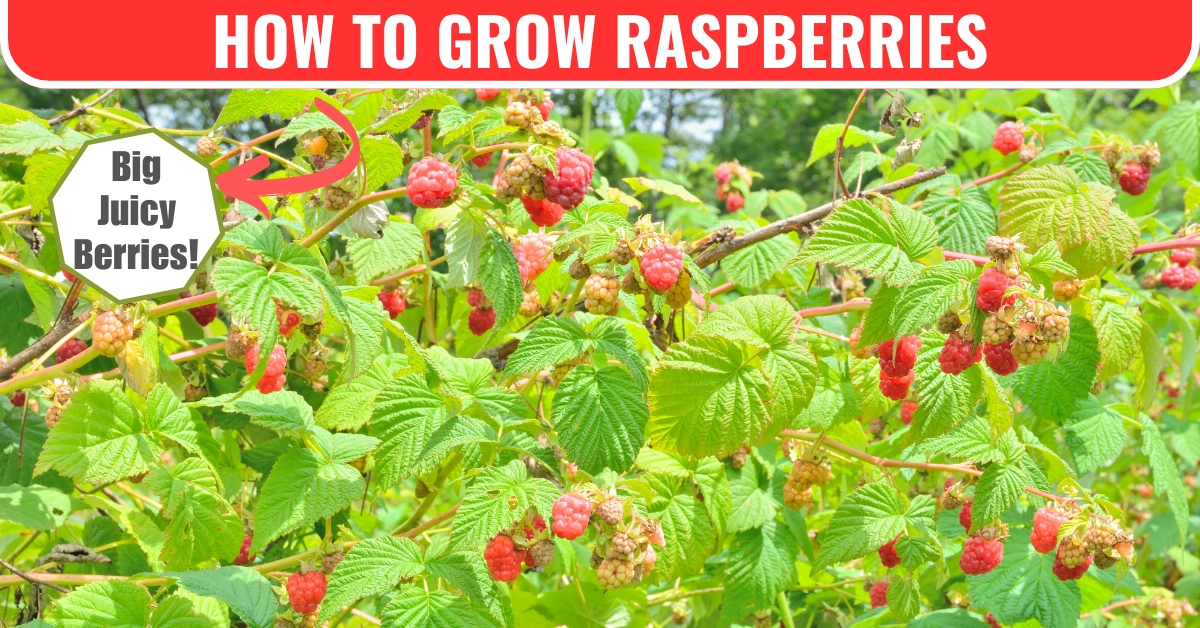
This is the pathfinder raspberry, a very prolific raspberry variety that produces fruit from August all the way until the first frost. It is very hardy, which is why I decided to plant it.
How to Grow Raspberries
In this post, you will learn about the origins and history of raspberries, providing you with a deeper understanding of this beloved fruit. You will gain insights into when and how to plant raspberries, including the differences between bare-root and potted plants.
This post will also offer valuable information on the sunlight and soil requirements, watering and fertilization techniques, and proper pruning practices for maintaining healthy raspberry plants. Lastly, we will discover tips on when and how to harvest raspberries and explore the various culinary uses for these versatile fruits.
Origins and History of Raspberries
Raspberries have a rich history that dates back over 2,000 years. Originating from Eastern Europe and Western Asia, they were extensively enjoyed by the ancient Greeks and Romans. Later on, raspberry cultivation spread throughout Europe and eventually reached North America in the late 1700s.
Today, raspberries are grown in many regions across the globe and are loved for their vibrant color, sweet taste, and nutritional benefits.
Choosing the Right Raspberry Varieties
When it comes to growing raspberries, choosing the right variety is key to a successful harvest. Raspberries come in a variety of colors—red, black, purple, and even yellow—all offering unique flavors and growing characteristics.
Red raspberries are the most common, known for their sweet taste, while black raspberries tend to have a richer, more intense flavor. Purple raspberries are a cross between red and black, giving you a blend of both, and yellow raspberries are a milder, sweeter option that’s perfect for fresh eating.
You’ll also want to decide between summer-bearing and everbearing (fall-bearing) varieties. Summer-bearing raspberries produce only one large crop in early summer, while everbearing varieties provide two smaller harvests—one in late summer and another in the fall.
This gives you the option to enjoy fresh raspberries over an extended period, depending on the type you choose. Whether you prefer a single, abundant harvest or smaller, more frequent yields, there’s a raspberry variety to fit your gardening needs.
If you are still unsure about which raspberry variety you want to grow, check out Nature Hills Nursery’s wide selection of over 20 raspberry varieties perfect for your garden.
Bare-root vs Potted Raspberries
When it comes to planting raspberries, you have two options: bare-root or potted plants.
Bare-root plants are plants that are pulled from the ground when they are dormant and (as the name suggests) are sold bare-root, meaning there is no soil. They are typically more affordable and are available only when the plants are dormant. They also offer more varieties, as they can be shipped from anywhere across the globe.
Potted plants, on the other hand, are raspberry plants that are actively growing in a pot with soil. They can be planted at any time during the year, but they are generally more expensive. They also have to be bought locally, meaning you may not have as many varieties to choose from. Both types have their advantages, and the choice depends on personal preference and availability.
Generally speaking, gardeners in colder climates should plant bare-root raspberries, while gardeners in warmer climates may benefit from planted potted raspberry plants.
Bare-root raspberries are always my first choice, as they are more convenient, and easier to plant and care for.
Best Time to Plant Raspberries
The best time to plant bare-root raspberries is in late winter or early spring, while the plants are still dormant. This ensures that they have enough time to establish their root system before the growing season begins.
Potted plants should be planted in spring or early summer. They should be planted when it is still cool enough outside; don’t let it get too hot! Raspberries will wilt and die if it is too hot and their roots haven’t established themselves yet.
However, this can vary depending on your climate and the specific raspberry variety you choose to grow. For me, I can’t plant them when the ground is still frozen solid, meaning I do have to wait until spring.
Sunlight and Soil Requirements
Raspberries thrive in full sunlight, ideally receiving at least 6-8 hours of direct sunlight each day. They prefer well-draining, slightly acidic soil with a pH level between 5.5 and 6.5. If you’re unsure about your soil pH, you can pick up this relatively cheap pH test kit here.
If your soil is heavy or clay-like, consider amending it with organic matter to improve drainage and fertility.
Additionally, avoid planting raspberries in areas with strong winds, as they can damage the delicate canes. If you don’t want your raspberries to completely take over your garden, plant them in containers or in a spot where you have nothing else growing.
Watering and Fertilization
Raspberries require consistent moisture, especially during the growing season. Water the plants deeply but infrequently, aiming for about 1-1.5 inches of water per week. Mulching around the plants can help conserve moisture and regulate soil temperatures.
Raspberries are heavy feeders, meaning they need an ample amount of compost and supplemented organic fertilizer. I like to add a balanced fertilizer to my raspberry plants every spring to give them the kick they need to produce juicy berries.
Pruning Raspberries
Pruning plays a crucial role in maintaining optimal raspberry health and productivity. Regular pruning helps manage the size of the raspberry patch, improve air circulation, and encourage higher yields.
I am not an expert on pruning raspberries (or pruning in general), but it is a fact that you should remove any weak, damaged, or diseased canes.
That being said, check out this guide from Edible Backyard.co.nz about how to prune raspberries to learn more.
Harvesting Raspberries
Raspberries are ready for harvest when they turn fully colored and easily detach from the plant with a gentle tug. Depending on the variety, the harvest season can last for several weeks, with some extending all summer long.
It’s best to harvest the ripe berries every 2-3 days to ensure that they are picked at their peak sweetness and to encourage new berry growth. Remember to handle the ripe raspberries gently as they are very delicate.
If the berries have ripened past maturity, just leave them on the vine. At that point they may have fermented (rotted) slightly or been consumed by bugs and other pests.
Different Uses for Raspberries
Raspberries are incredibly versatile in the kitchen and can be enjoyed in various ways. From fresh consumption to baking, cooking, and preserving, their bright color and delicate flavor make them a delightful addition to numerous dishes.
You can make raspberry jams, jellies, pies, tarts, syrups, smoothies, or simply add them to cereals, salads, yogurt, and ice cream for a burst of freshness and tanginess.
Check out this recipe from My Curated Tastes.com for a no sugar raspberry jam.
Frequently Asked Questions
How long does it take to grow raspberries?
Most raspberry varieties will fruit within 1 or 2 years, making them excellent fruit-bearing plants for beginner gardeners.
What is the best time to plant raspberries?
In most climates, early spring is the best time to plant raspberries, whether it be bare-root or potted. This gives the raspberry plants enough time to establish over the season and prepare for the winter.
Do raspberries need to climb?
While raspberries do not need a support structure, they can perform better with some kind of trellis. They are not traditional climbing plants with vines and tendrils, but the canes may need support when all the leaves, flowers, and fruits fill in. I, personally, do not use a trellis for my raspberries.
Even More Gardening Ideas
Here are a few more posts to get the ball rolling in your garden!
Products
For all-purpose organic fertilizers, check out Arber.
To buy organic, non-GMO garden seeds, check out SeedsNow.
For a wide selection of perennial garden plants, check out Nature Hills Nursery.
For gardening equipment, check out Bootstrap Farmer
Growing raspberries can be a rewarding experience, providing you with an abundance of delicious fruits and an attractive addition to your garden. By understanding their origins, planting techniques, sunlight and soil requirements, watering and fertilization tips, proper pruning, and harvesting methods, you can embark on a successful raspberry-growing journey.
So, why not bring a touch of sweetness and vibrancy to your garden by starting your very own raspberry patch?
If you found this article informative, please share it with your gardener friends to help spread the word! Also, consider signing up for our email newsletter. Don’t worry, we won’t send you spam, only relevant and valuable gardening tips and tricks every Monday and Friday.
If you want to learn more about gardening, foraging, nature, and sustainability, check out The Real Gardener on Instagram, YouTube, and Pinterest.
Pin this post for later:

Leave a Reply